Educational information only — not medical advice. Always talk to a qualified clinician before starting any treatment.

Skin & Beauty

Skin & Beauty

Topical Retinoids: Retinol vs Tretinoin

Prescription tretinoin has strong evidence for improving signs of sun-damaged skin, including fine wrinkles and uneven pigmentation. OTC retinol may help too, but its evidence is less extensive and products vary considerably.


Strong evidence OTC retinol products commonly range from about $10–$100+ per product. Generic prescription tretinoin may cost roughly $20–$100+ without insurance depending on strength, pharmacy and tube size. Premium cosmetic retinoid products can cost considerably more.
Woman holds a dropper with a single drop of serum about to fall onto her face.

What it is

Retinoids are vitamin A-derived compounds used in topical skincare. Tretinoin is a prescription retinoid with decades of clinical research. Retinol is a less potent vitamin A derivative commonly sold in over-the-counter skincare products and must undergo conversion within the skin before becoming biologically active retinoic acid. Although both belong to the retinoid family, evidence from tretinoin studies should not automatically be applied to every OTC retinol product.

What it claims to do

Reduce fine lines and wrinkles, improve uneven pigmentation and rough texture, stimulate collagen-related changes in photoaged skin, improve acne, and make skin appear smoother and more youthful.

What research actually shows

Prescription topical tretinoin has one of the strongest evidence bases among topical treatments for photoaged skin. Randomized controlled trials and systematic reviews show improvements in fine wrinkles, coarse wrinkles, mottled pigmentation, roughness, and other clinical signs of photodamage. Research also demonstrates structural changes in treated skin consistent with remodeling of photoaged skin. OTC retinol can also improve some signs of photoaging, but formulations, concentrations, stability, and clinical evidence vary considerably among products. Tretinoin therefore has a substantially more established clinical evidence base than the broad category of OTC retinol products.
Tretinoin for fine & coarse photoaging wrinklesStrong evidence
Tretinoin for uneven pigmentation & skin textureStrong evidence
OTC retinol for visible photoagingModerate evidence
Facelift-like tightening or reversal of all skin agingInsufficient evidence

What it may realistically help

Prescription tretinoin can improve fine wrinkles, uneven pigmentation, roughness, and the overall appearance of photodamaged skin with consistent long-term use. Some OTC retinol products may produce similar types of improvement, generally with less direct clinical evidence supporting the individual product.

What it probably won't do

Topical retinoids will not produce facelift-like tightening, erase deep wrinkles, permanently stop skin aging, or reverse every structural change caused by aging and sun exposure. An expensive OTC retinol product should not automatically be assumed to work as well as prescription tretinoin simply because both are called retinoids.

Time before results could be expected

Some changes may begin within the first few months, while more noticeable improvement in photoaging generally develops with consistent use over several months. Continued treatment is typically necessary to maintain benefits.

Risks, downsides & cautions

Topical retinoids can cause dryness, redness, peeling, burning, stinging, and irritation, particularly when treatment begins or when stronger formulations are used. Irritation does not mean that a product is working better. Different retinoids and formulations can vary substantially in potency and tolerability. Prescription tretinoin requires appropriate clinical guidance. Pregnancy-related precautions apply to topical retinoid use and should be discussed with a healthcare professional.

Typical cost range

OTC retinol products commonly range from about $10–$100+ per product. Generic prescription tretinoin may cost roughly $20–$100+ without insurance depending on strength, pharmacy and tube size. Premium cosmetic retinoid products can cost considerably more.

Questions to ask before spending money

  • 1.Am I buying prescription tretinoin or an OTC retinol product?
  • 2.Does evidence exist for this specific ingredient and formulation, or am I relying primarily on marketing claims?
  • 3.Am I expecting gradual improvement in photoaging or results comparable to a cosmetic procedure?
  • 4.Can my skin tolerate a retinoid consistently enough to benefit from it?
  • 5.Am I paying substantially more for added ingredients, packaging, or branding rather than stronger evidence?
  • 6.Do I have circumstances, including pregnancy or significant skin sensitivity, that warrant professional guidance before using a retinoid?

If your goal is

Improve visible signs of skin aging

Options to consider alongside or instead of this one for this goal.

Compare options for this goal
Red-Light Therapy Face Masks
Moderate evidence

Skin & Beauty

Red-Light Therapy Face Masks

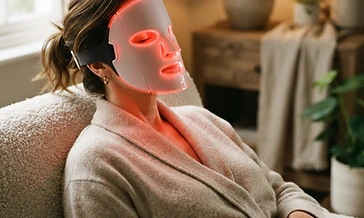
Red and near-infrared light can modestly improve some signs of facial photoaging, including wrinkles, but results depend heavily on the device and treatment parameters—and not every consumer mask has been clinically tested.

From About $100–$500+ for many consumer red-light face masks. Price does not by itself establish that a device has been clinically tested or is effective.Read card
Microneedling for Facial Rejuvenation
Moderate evidence

Skin & Beauty

Microneedling for Facial Rejuvenation

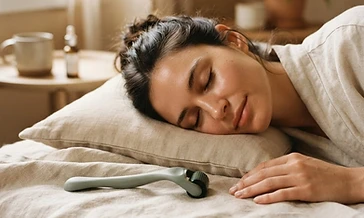
Microneedling can improve some signs of facial aging and skin texture, but the evidence base is smaller and less standardized than its popularity might suggest.

From Professional microneedling commonly costs about $200–$700 per session in the U.S. Multiple sessions are often marketed or recommended, which can raise the total cost substantially. Prices vary by provider and location.Read card
Topical Estrogen for Menopausal Skin
Limited evidence

Skin & Beauty

Topical Estrogen for Menopausal Skin

Estrogen face creams are gaining attention for menopausal skin aging. Small studies show promising effects on collagen and skin structure, but visible anti-aging benefits and long-term safety remain uncertain.


From Highly variable. Cosmetic or compounded estrogen/estriol creams may cost roughly $30–$100+ per container. These products vary considerably in formulation and are not equivalent to one standardized facial treatment.Read card
Collagen Peptides
Limited evidence

Supplements & Nutrition

Collagen Peptides

Popular for skin, joints, hair and healthy aging—but the evidence varies sharply depending on what you expect collagen to do.

From About $20–$45 per month for many collagen peptide powders, depending on brand, serving size and dose.Read card
Worth It After 40?

Evidence-based guides to help midlife women spend wisely on health, beauty and wellness.

About

About Worth It After 40?Editorial PolicyMedical DisclaimerAffiliate DisclosurePrivacy Policy

Independent. Curated. No individualized medical advice.

Medical disclaimer: All content on Worth It After 40? is for general education only. It is not medical advice, diagnosis, or treatment, and does not replace consultation with a qualified healthcare professional. Evidence levels reflect the publicly available research we reviewed at the time of publishing and may change. References are provided for transparency. See our full disclaimer before making any health decision.

© 2026 Worth It After 40? · A consumer-education project.

Your cookie choices

We use necessary cookies to run the site. With your permission we also use analytics cookies to understand which guides help readers. You can change or withdraw this choice at any time. Privacy Policy